
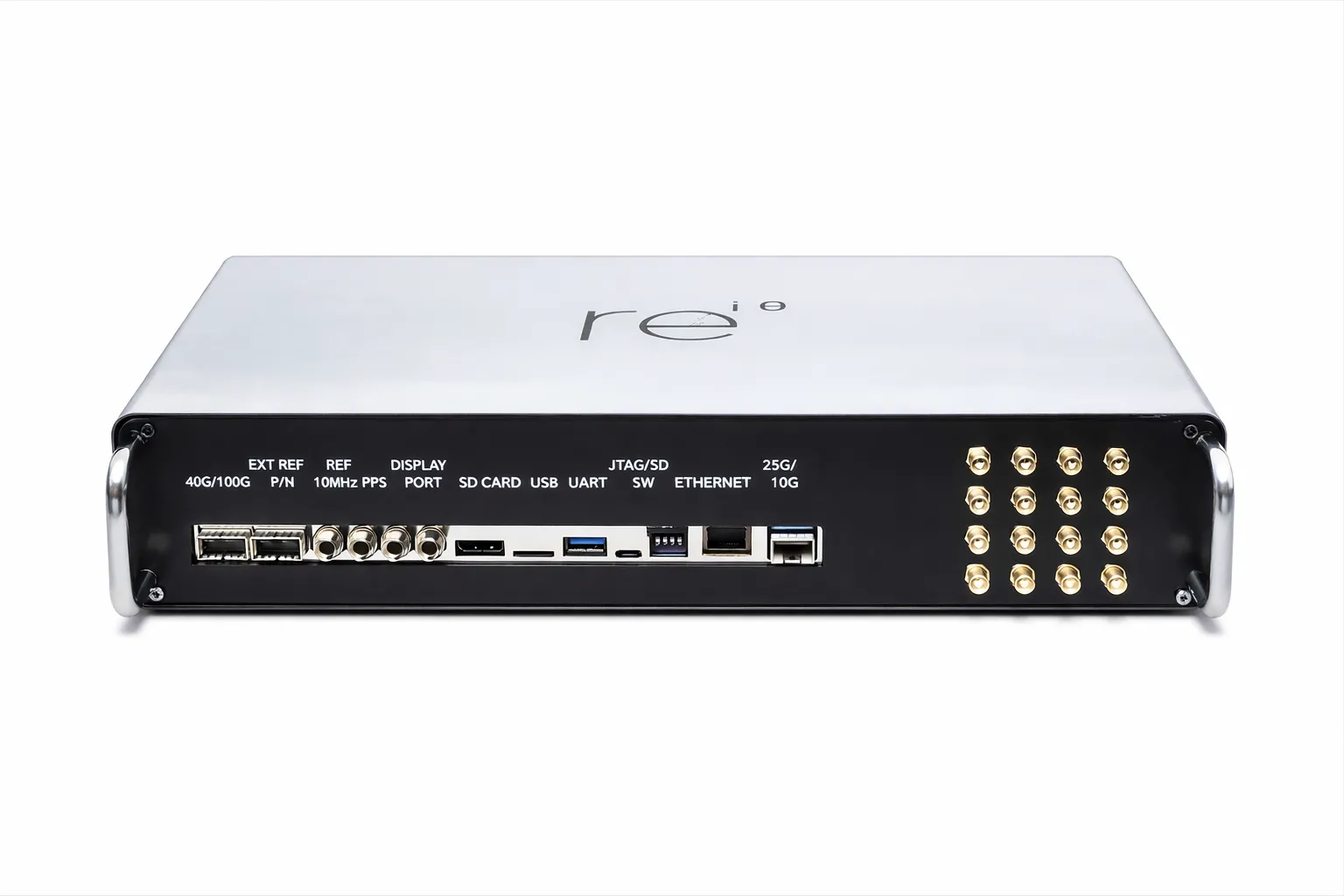
Software Defined Radio
In the modern world of wireless communication, adaptability and speed are everything. From 5G and IoT to radar and satellite systems, engineers are expected to design radios that can handle multiple standards, frequencies, and applications often with short development cycles.
That’s where Software Defined Radio (SDR) steps in.
SDR has fundamentally changed how we build and understand radio systems by moving much of the signal processing from hardware to software.
This blog explores what every engineer should know about SDR fundamentals — the architecture, core components, and how they’re shaping the next generation of communication systems.
Core Components of an SDR System
To understand SDR fundamentals, let’s break down its primary building blocks:
1. RF Front-End
This is the analog part of the SDR that handles signal transmission and reception.
It includes antennas, amplifiers, filters, mixers, and local oscillators that condition the RF signal before it’s digitized.
The front-end determines:
-
Frequency range
-
Bandwidth
-
Sensitivity and noise performance
2. ADC (Analog-to-Digital Converter)
The ADC digitizes the incoming analog RF signal.
The sampling rate and resolution of the ADC directly impact how much of the spectrum can be captured and the dynamic range of the SDR.
High-speed ADCs (like those used in REIO Systems’ 5 GSps platforms) enable wideband spectrum analysis and real-time sensing.
3. FPGA / DSP Processing
Once digitized, the signal is processed using programmable logic or digital processors.
This is where SDR truly becomes “software-defined.”
Functions implemented here include:
-
Digital down-conversion (DDC)
-
Filtering and windowing (FIR, Hamming)
-
Demodulation and decoding
-
CORDIC-based frequency and phase computation
-
Power detection and histogram analysis
FPGAs offer massive parallelism and low latency, making them ideal for real-time SDR operations.
4. DAC (Digital-to-Analog Converter)
For transmission, the processed digital signal is converted back into analog form using a DAC and sent to the RF front-end for upconversion and transmission.
5. Host Software / Control Layer
A PC or embedded processor controls the SDR, loads firmware, and processes higher-layer functions such as modulation selection, spectrum visualization, or protocol control.
This makes SDR systems user-programmable and easy to integrate into applications ranging from research to defense.
Why SDR Matters for Modern Engineers
1. Flexibility in Design
Engineers can experiment with new modulation schemes, filters, and communication protocols without fabricating new hardware.
2. Accelerated Development
SDRs drastically shorten R&D cycles by allowing simulation, testing, and deployment on a single platform.
3. Real-Time Signal Analysis
With powerful FPGAs and fast ADCs, SDRs can capture and analyze live spectrum data for dynamic applications like spectrum sensing and interference detection.
4. Multi-Domain Applications
SDRs are now critical in:
-
Telecom (5G/6G)
-
Defense and Aerospace (Radar, EW)
-
IoT and Smart Devices
-
Academic Research
5. Bridge Between Hardware and Software Engineering
SDR technology unites digital signal processing, RF design, and embedded systems — making it one of the most multidisciplinary fields in engineering today.
REIO Systems: Bringing SDR Fundamentals to Life
At REIO Systems, we design FPGA-based SDR platforms that give engineers the tools to explore, innovate, and implement advanced wireless solutions.
Our in-house IPs include:
-
Hamming Windowing and FIR Adaptive Filters
-
CORDIC Processing Units
-
Power Log, Peak Detection, and Histogram Accumulation Modules
With up to 5 GSps ADCs and 0–6 GHz sensing range, REIO SDRs are engineered for real-time, high-bandwidth spectrum analysis — ideal for cognitive radio, spectrum monitoring, and communication research.
Conclusion
Software Defined Radios represent the bridge between hardware precision and software flexibility — a combination every modern engineer should understand.
By mastering SDR fundamentals, you gain the ability to design communication systems that evolve with technology — not behind it.
At REIO Systems, we’re committed to empowering engineers, researchers, and innovators with cutting-edge SDR platforms that redefine what’s possible in wireless communication.
Sign up to get the latest updates
Stay updated on the latest trends.